
Smooth Lines. Natural Results.
Physician-administered Botox for forehead lines, crow's feet, and frown lines — precisely placed to relax expression lines while preserving natural facial movement.

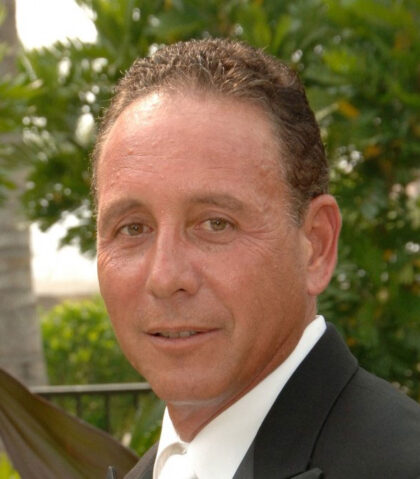
What Is Botox Cosmetic Injections?
Botox (onabotulinumtoxinA) is the most widely performed cosmetic procedure in the United States — and for good reason. A few precisely placed injections temporarily relax the underlying muscles responsible for dynamic expression lines, smoothing the skin above them without affecting sensation or limiting natural facial expression when administered correctly. At LifeBoost MD, Botox is administered by Dr. Bruce J. Stratt, MD, or Gabi Janney, PA-C — not a technician or aesthetician. Physician oversight matters: anatomical knowledge, injection depth, and dosing accuracy directly determine whether results look natural or overdone. Most patients see results within 3–5 days, with full effect at 14 days. Results typically last 3–4 months, and with regular treatment, some patients extend their intervals over time.
Key Benefits
Smooths Dynamic Expression Lines
Botox is specifically effective for lines created by repeated muscle movement — forehead lines, crow's feet at the eyes, and the '11s' between the brows. These respond well because relaxing the underlying muscle allows the skin above to smooth out.
Natural-Looking Results
When placed by an experienced injector, Botox relaxes the target muscle selectively — allowing natural expression while preventing the exaggerated contractions that cause deep creasing. The goal is refreshed, not frozen.
No Downtime
Botox injections take 10–15 minutes. There are no incisions, no anesthesia, and no recovery period. Most patients return to normal activities immediately. Minor redness or pinpoint swelling at injection sites resolves within hours.
Prevents Line Deepening
Regular Botox treatment prevents dynamic lines from becoming permanently etched into the skin. Patients who start earlier often need less treatment over time as the muscles learn to contract less forcefully.
Physician-Administered Precision
The difference between natural results and the 'frozen' look is injection technique. Dr. Stratt's background in radiology and anatomy ensures precise placement at the correct depth and dose for your facial structure.
Fast Results
Results begin appearing within 3–5 days. Full effect is visible at 14 days. A complimentary 2-week follow-up is included to assess results and make any minor adjustments needed.
Conditions We Treat
Horizontal lines across the forehead caused by repeated brow elevation — one of the most common Botox treatment areas.
Vertical lines between the eyebrows caused by the corrugator and procerus muscles. Often the area patients find most bothersome.
Radiating lines at the outer corners of the eyes caused by squinting and smiling. Botox injected into the orbicularis oculi muscle smooths these effectively.
Strategic Botox placement can create a subtle brow lift by relaxing the depressor muscles while allowing the frontalis to lift — achieving a more open, rested appearance.
Diagonal lines on the nose that appear when scrunching — treated with small doses to the nasalis muscle.
Small doses along the upper lip border smooth vertical lip lines and create a subtle 'lip flip' effect that rolls the upper lip slightly outward.
Who Is This Treatment For?
- Adults 21+ with dynamic expression lines (forehead, glabellar, crow's feet)
- Patients who want natural-looking results without surgery
- Those looking to prevent lines from deepening over time
- People who want a quick, no-downtime cosmetic treatment
- Patients who've had Botox elsewhere and want more precise, natural results
- Those interested in subtle facial balancing (brow lift, lip flip)
What to Expect
- 1
Consultation & Facial Assessment
Dr. Stratt or Gabi PA-C evaluates your facial anatomy, reviews your goals, and maps the injection sites. Dosing is personalized to your muscle strength and treatment areas.
- 2
Preparation
The treatment area is cleansed. A topical numbing cream may be applied for sensitive patients, though most find the injections comfortable without it. The procedure takes 10–15 minutes.
- 3
Injection
Botox is delivered via ultra-fine needles into targeted muscles at precise depths. Most patients describe the sensation as a brief pinch. Multiple small injections cover each treatment area.
- 4
Post-Treatment
You may resume normal activities immediately. Avoid lying down for 4 hours and strenuous exercise for 24 hours after treatment. Minor bruising or redness at injection sites is normal and resolves quickly.
- 5
Results & Follow-Up
Results begin at 3–5 days and reach full effect at 14 days. A follow-up appointment is scheduled at 2 weeks to assess results. Treatment is typically repeated every 3–4 months to maintain results.
Results Timeline
Results begin appearing 3–5 days after treatment and reach full effect at 14 days. Duration varies by individual and treatment area — typically 3–4 months. The forehead and glabella often last slightly shorter; crow's feet may last closer to 4 months. With consistent treatment, some patients extend their intervals as muscles respond to repeated relaxation.
Botox remains the gold standard for treating dynamic facial lines — the wrinkles that form from years of repeated muscle movement. At LifeBoost MD, every Botox treatment is performed or directly supervised by a physician, ensuring the anatomical precision and dosing accuracy that separates natural-looking results from the overdone appearance that defines the “frozen” stereotype.
The procedure takes 10–15 minutes. Results develop over 14 days and last 3–4 months. There’s no downtime, no surgery, and no recovery — just refreshed, rested-looking skin that still moves naturally.
Frequently Asked Questions
Most patients experience results for 3–4 months. First-time patients sometimes notice slightly shorter duration (2.5–3 months) as the muscles are not yet conditioned to the treatment. With consistent treatment, many patients find their results gradually extend to 4–5 months.
Physician-administered Botox, placed at the correct dose and depth, should allow natural facial expression while smoothing static and dynamic lines. The 'frozen' look results from over-treatment or incorrect injection points. Dr. Stratt's approach is conservative — you can always add more at your 2-week follow-up, but over-treatment cannot be immediately reversed.
Most patients describe the sensation as a brief pinch — similar to a small blood draw. The needles used are very fine (30 or 32 gauge). Discomfort is minimal and the procedure is completed in 10–15 minutes. Numbing cream is available for sensitive patients.
No. You can return to normal activities immediately. We recommend avoiding vigorous exercise, lying flat, and touching the treated area for 4 hours post-injection. Avoid blood thinners (if safe to do so) for 2–3 days before your appointment to minimize bruising risk.
Yes — Botox and dermal fillers are frequently combined in the same appointment. Botox addresses dynamic lines caused by muscle movement; fillers restore volume and smooth static lines. Together they provide more complete facial rejuvenation than either alone.
All three are botulinum toxin type A products with similar mechanisms. Dysport diffuses slightly more and may work faster; Xeomin contains no accessory proteins (which some patients prefer if they've developed resistance to Botox). Dr. Stratt will recommend the appropriate product based on your anatomy and treatment area.
Avoid aspirin, ibuprofen, fish oil, and vitamin E for 3–5 days before your appointment to reduce bruising risk (only if medically safe to do so). Arrive with a clean face — no makeup on treatment areas. Alcohol should be avoided 24 hours before.
Medical References & Citations
- FDA-approved indications for onabotulinumtoxinA (Botox Cosmetic): glabellar lines, lateral canthal lines (crow's feet), forehead lines. FDA.gov.
- Carruthers A, et al. Botulinum toxin type A for the treatment of glabellar lines. Plast Reconstr Surg. 2003;112(5 Suppl):40S–50S.
- Kane MAC. The functional anatomy of the lower face as it applies to rejuvenation via chemodenervation. Facial Plast Surg. 2005.