
Heal Naturally, Move Freely
Platelet-rich plasma therapy harnesses your body's own growth factors to accelerate healing of joints, tendons, and ligaments — without surgery.
What Is Orthopedic PRP Therapy?
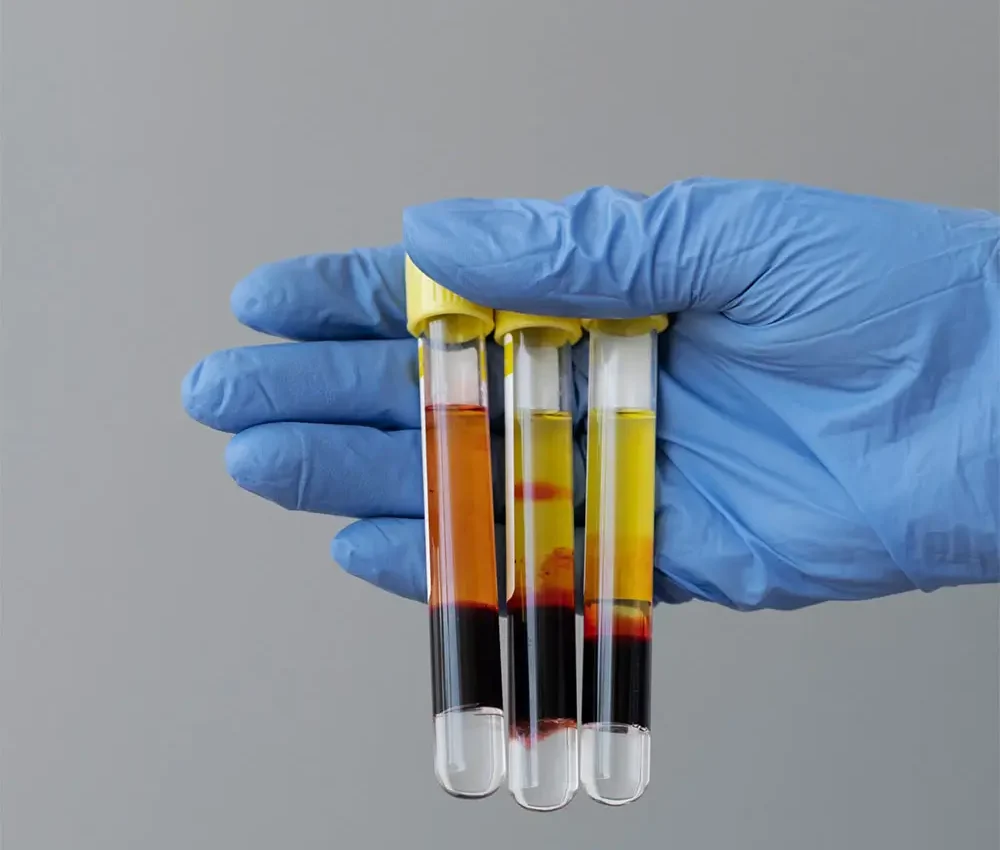
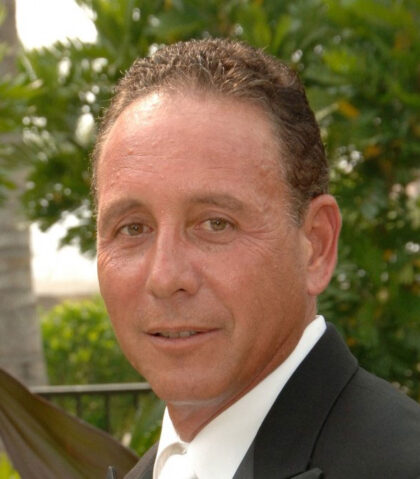
Platelet-Rich Plasma (PRP) therapy for orthopedic conditions is a regenerative injection treatment that uses concentrated platelets from your own blood to stimulate tissue repair in damaged joints, tendons, ligaments, and muscles. Your blood is drawn and spun in a centrifuge to separate and concentrate the growth-factor-rich platelets. This PRP concentrate is then injected directly into the injured area under precision guidance. Growth factors in PRP — including PDGF, TGF-β, VEGF, and IGF-1 — trigger stem cell recruitment, collagen synthesis, and accelerated tissue repair. At LifeBoost MD, Dr. Stratt has performed PRP therapy for hundreds of patients seeking a non-surgical path to pain relief and functional recovery.
Key Benefits
Non-Surgical Healing
PRP offers a genuine alternative or delay to joint replacement surgery by promoting natural tissue regeneration in the damaged area.
Uses Your Own Biology
PRP is autologous — derived from your own blood — eliminating risks of allergic reaction or disease transmission. Your body recognizes and accepts it naturally.
Reduces Pain & Inflammation
Growth factors in PRP modulate inflammatory cytokines, reducing chronic inflammation that drives joint pain and degeneration.
Accelerated Recovery
Athletes use PRP to shorten recovery timelines after sports injuries, strains, and partial tears.
Stimulates Cartilage Repair
Emerging research suggests PRP may stimulate chondrocyte activity and slow cartilage loss in early-to-moderate osteoarthritis.
Minimal Downtime
PRP injections are performed in-office and require minimal recovery — most patients resume normal activities within 24–48 hours.
Conditions We Treat
Who Is This Treatment For?
- Patients with chronic joint pain who have failed conservative treatment
- Athletes recovering from tendon or ligament injuries
- Patients seeking alternatives or delays to joint replacement surgery
- Individuals with early-to-moderate osteoarthritis
- Anyone wanting a natural, non-pharmaceutical approach to musculoskeletal healing
What to Expect
- 1
Consultation & Imaging Review
Dr. Stratt reviews your symptoms, physical examination findings, and any existing MRI or X-ray imaging to confirm you are a good candidate for PRP.
- 2
Blood Draw
A small amount of blood (30–60 mL) is drawn from your arm — similar to a standard blood test.
- 3
Centrifuge Processing
Your blood is placed in a specialized centrifuge for 15 minutes, separating the PRP layer — which is 5–10x more concentrated in platelets than whole blood.
- 4
Precision Injection
Using anatomical landmarks or ultrasound guidance, Dr. Stratt injects the PRP concentrate precisely into the target tissue.
- 5
Recovery & Monitoring
You will experience some localized soreness for 24–72 hours — a sign the healing response is activated. Activity modification is recommended for 1–2 weeks. Follow-up is scheduled at 4–6 weeks.
Results Timeline
PRP works over weeks to months as tissue regeneration progresses. Many patients notice initial improvement at 4–8 weeks, with peak benefit typically reached at 3–6 months. Some conditions require 2–3 injection series for optimal outcomes. Results can last 1–2+ years depending on the condition and patient biology.
Frequently Asked Questions
This depends on the severity of your condition. Mild-to-moderate conditions often respond well to a single injection. More advanced degeneration may require a series of 2–3 injections spaced 4–6 weeks apart. Dr. Stratt will recommend a protocol based on your specific diagnosis and imaging.
PRP is considered experimental by most insurance providers and is generally not covered. At LifeBoost MD we offer competitive, transparent pricing for PRP therapy. Contact us for current pricing.
Cortisone injections provide faster, more dramatic short-term pain relief by suppressing inflammation, but they do not heal tissue and may actually accelerate cartilage breakdown with repeated use. PRP takes longer to work but addresses the underlying pathology by stimulating tissue repair — making it a more durable long-term solution.
Because PRP uses your own blood, systemic adverse reactions are extremely rare. Local side effects include temporary soreness, swelling, and stiffness at the injection site lasting 24–72 hours. Infection risk is minimal when performed under sterile technique.
Medical References & Citations
- Filardo G, et al. Platelet-rich plasma intra-articular knee injections for the treatment of degenerative cartilage lesions and osteoarthritis. Knee Surg Sports Traumatol Arthrosc. 2011.
- Kon E, et al. Platelet-rich plasma: new clinical application: a pilot study for treatment of jumper's knee. Injury. 2009.
- Mishra A, Pavelko T. Treatment of chronic elbow tendinosis with buffered platelet-rich plasma. Am J Sports Med. 2006.