Knee pain is one of the most common complaints among active adults over 40 — and one of the most frustrating to treat. Physical therapy helps, but only so much. Cortisone injections offer temporary relief but don’t fix the underlying damage. Surgery is a big step with a long recovery. And living with chronic knee pain simply isn’t acceptable.
That’s where platelet-rich plasma (PRP) therapy comes in — a regenerative treatment that uses concentrated healing factors from your own blood to stimulate tissue repair in damaged joints and tendons.
But does it actually work? Here’s what the research shows.
What Is PRP Therapy?
PRP stands for platelet-rich plasma. Blood is made up of red blood cells, white blood cells, platelets, and plasma. Platelets are best known for clotting, but they also contain hundreds of growth factors — proteins that signal the body to repair damaged tissue.
The PRP process:
- Blood draw — A small amount of your own blood is drawn (similar to a routine lab test)
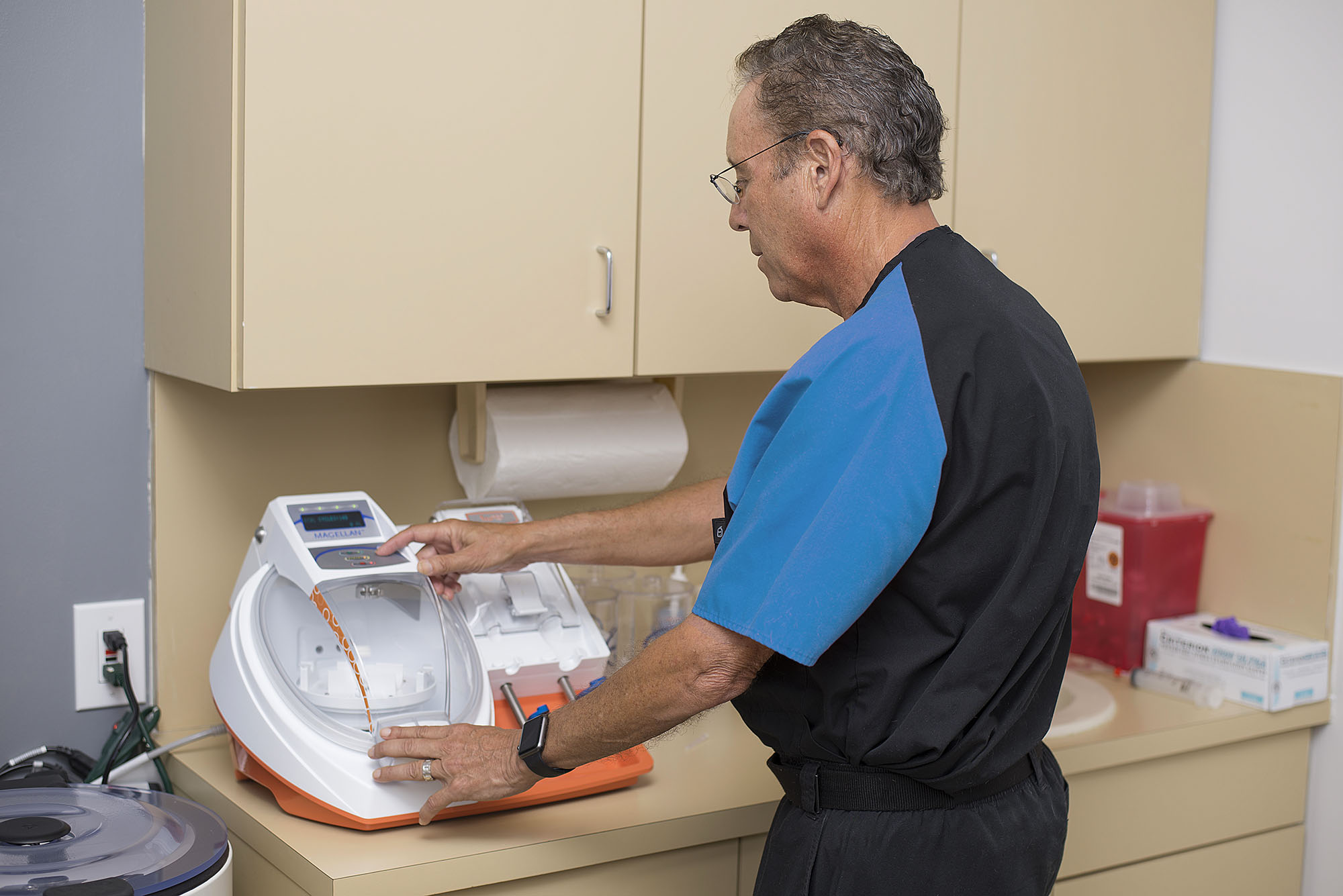
- Centrifugation — The blood is spun in a centrifuge to separate and concentrate the platelets
- Injection — The resulting platelet-rich plasma is injected precisely into the injured joint, tendon, or tissue
The concentrated growth factors (including PDGF, TGF-β, VEGF, and IGF-1) stimulate the body’s natural repair processes — potentially rebuilding cartilage, reducing inflammation, and healing tendon or ligament damage that wouldn’t otherwise heal well.
Learn more about the full PRP treatment process at LifeBoost MD’s orthopedic PRP page.
What the Research Shows
The evidence for PRP in knee conditions has grown substantially over the past decade. Here’s what multiple systematic reviews and randomized controlled trials have found:
Knee Osteoarthritis (OA)
- Multiple high-quality studies show PRP outperforms hyaluronic acid (viscosupplementation) for pain relief and function at 6–12 months
- A 2021 systematic review in the British Journal of Sports Medicine found PRP superior to placebo for pain and functional outcomes in knee OA
- Benefits tend to be most pronounced in mild-to-moderate OA (Kellgren-Lawrence grade 1–3)
Patellar Tendinopathy (Jumper’s Knee)
- PRP has shown significant benefit for chronic patellar tendinopathy in athletes, with improvement in pain scores and return-to-sport rates
- Particularly effective when combined with eccentric loading exercises
Partial ACL, MCL, or Meniscus Tears
- Emerging evidence suggests PRP may help partial ligament tears heal without surgery
- Used adjunctively in some surgical settings to improve healing outcomes
See LifeBoost MD’s orthopedic PRP therapy page for the full list of conditions treated, including partial ligament tears, rotator cuff injuries, and plantar fasciitis.
What PRP Does NOT Do Well:
- Full-thickness cartilage loss (bone-on-bone severe OA) — results are limited
- Complete ligament or tendon ruptures — these require surgical repair
- Active infections — PRP cannot be used in infected joints
PRP vs. Traditional Knee Treatments
| Treatment | Mechanism | Duration of Relief | Tissue Repair? |
|---|---|---|---|
| Cortisone injection | Anti-inflammatory | 1–3 months | No |
| Hyaluronic acid (Synvisc) | Lubrication | 3–6 months | Minimal |
| PRP | Growth factors → tissue repair | 6–18+ months | Yes |
| Surgery | Mechanical repair | Permanent (with recovery) | Yes |
For a detailed head-to-head comparison, see our article on PRP vs. cortisone injections.
What to Expect at Your Appointment
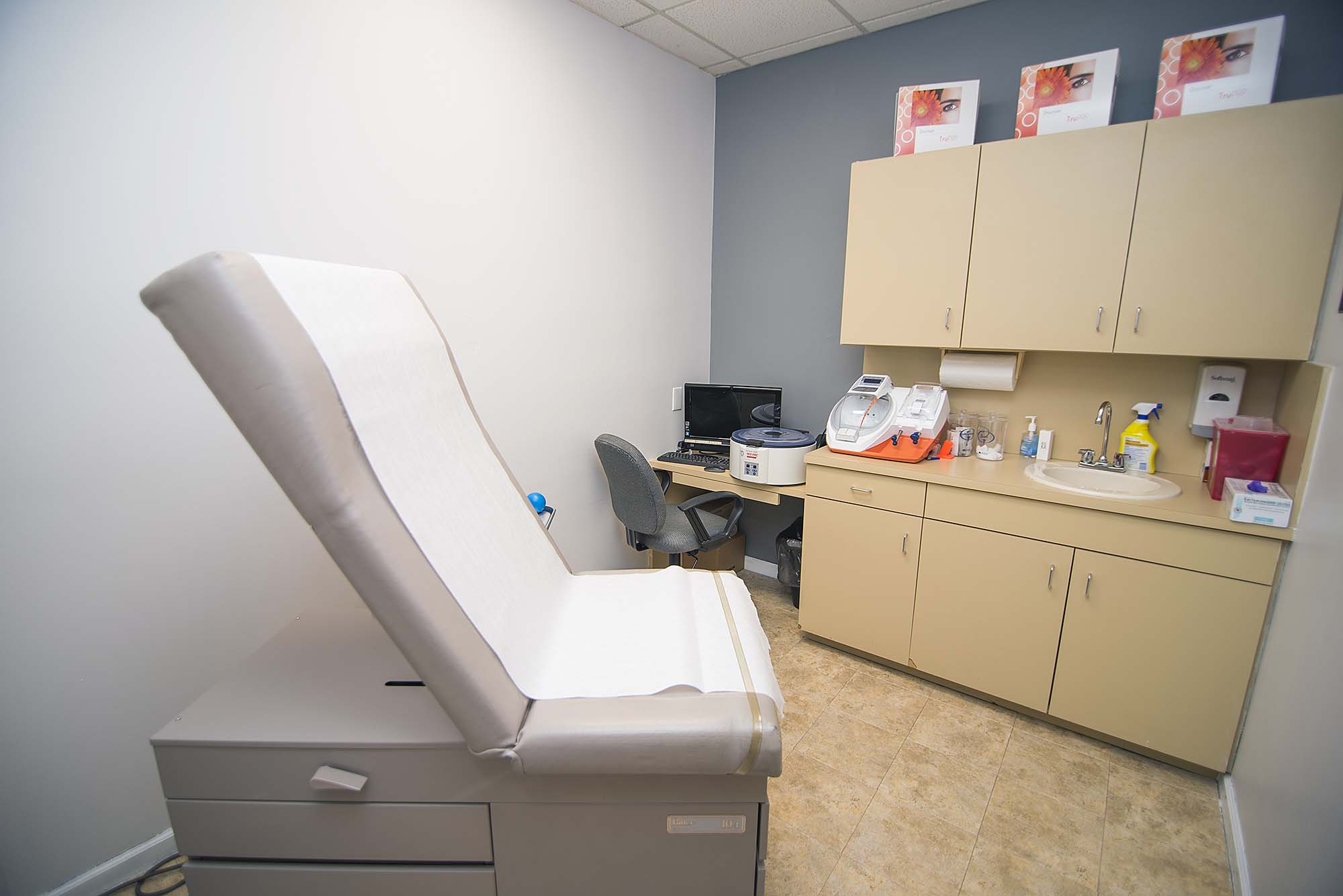
At LifeBoost MD in Boca Raton, PRP therapy for knee pain is a straightforward in-office procedure:
Before: Stop anti-inflammatory medications (NSAIDs, aspirin) 5–7 days prior. These can interfere with platelet function. Avoid corticosteroid injections in the treatment area for 4+ weeks.
Day of: The blood draw takes about 5 minutes. The centrifuge process takes another 15 minutes. Ultrasound guidance may be used to precisely place the injection. The entire appointment is typically 45–60 minutes.
After: Mild soreness and swelling at the injection site is normal for 48–72 hours — this is part of the inflammatory response that initiates healing. Most patients return to normal activities within a few days.
Results timeline: Gradual improvement over 4–12 weeks. Most patients are assessed at 6–8 weeks for response, and a second injection may be recommended based on progress.
Am I a Candidate for PRP?
You may be a good candidate if you have:
- Knee osteoarthritis (mild to moderate)
- Patellar tendinopathy or other tendon overuse injuries
- Partial ligament sprains
- Sports injuries that haven’t responded to conservative treatment
- A desire to avoid or delay surgery
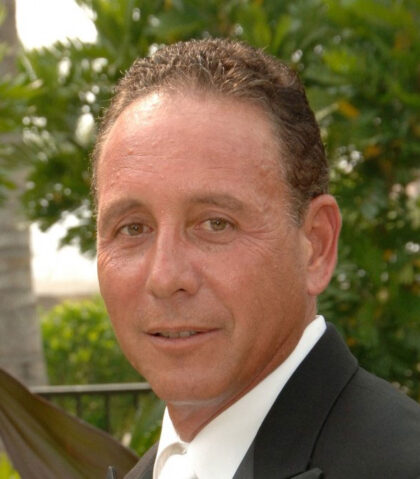
The best way to find out is a consultation with Dr. Stratt, who will review your imaging, examine your knee, and give you an honest assessment of whether PRP is likely to help your specific situation.
Schedule your free consultation at LifeBoost MD in Boca Raton →
Frequently Asked Questions
Most patients notice gradual improvement beginning at 4–6 weeks after the first injection, with significant results at 3 months. The healing process is progressive — PRP stimulates tissue repair that takes time to complete. Unlike cortisone, which provides rapid but temporary relief, PRP addresses underlying tissue damage.
Most protocols call for 1–3 injections spaced 4–6 weeks apart for knee osteoarthritis or tendon injuries. The exact number depends on injury severity, age, and how you respond to initial treatment. Dr. Stratt will recommend a protocol based on your specific case.
Most insurance plans do not cover PRP therapy, as it is still classified as investigational for musculoskeletal conditions by major payers. However, the cost is often far less than surgical alternatives, and many patients find financing options available.
PRP may not be appropriate for patients with active infection, blood clotting disorders, platelet dysfunction, certain cancers, or those on anticoagulant medications. A full medical evaluation is always performed before recommending PRP treatment.
Last reviewed: February 28, 2026