Sexual health is one of the most undertreated areas in medicine — not because effective options do not exist, but because patients and physicians alike tend to avoid the conversation. At LifeBoost MD, we believe that sexual function is a core component of overall health and quality of life, and we offer advanced treatments that address the underlying biology rather than simply masking symptoms.
The P-Shot (Priapus Shot) for men and the O-Shot (Orgasm Shot) for women are PRP-based procedures that use your body’s own growth factors to rejuvenate sexual tissue, improve blood flow, and restore function. Here is how they work, what they treat, and what to expect.
How PRP Works for Sexual Health
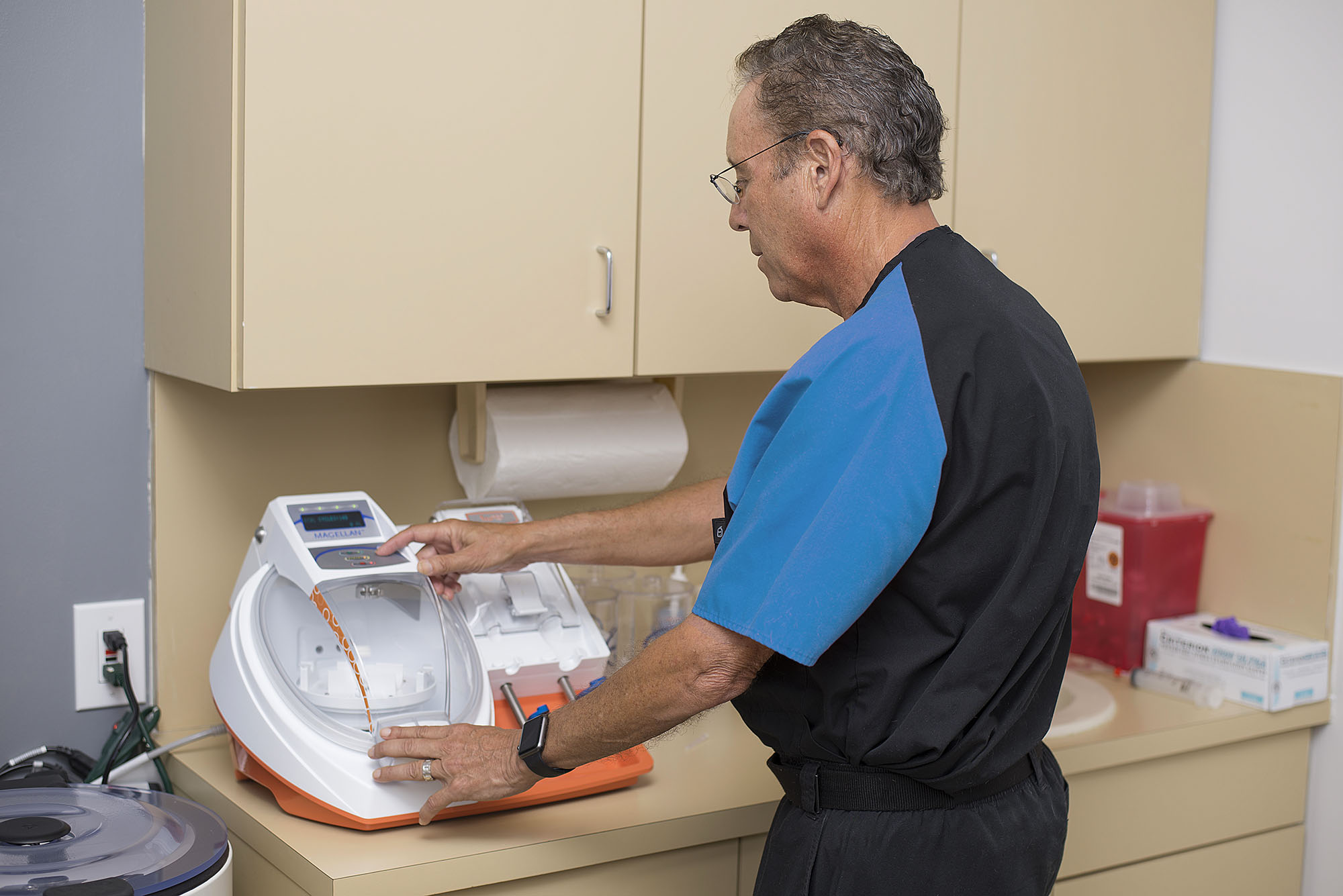
PRP — platelet-rich plasma — is concentrated from your own blood. A small blood draw is processed in a centrifuge to isolate platelets and the growth factors they contain, including:
- Platelet-derived growth factor (PDGF) — stimulates cell proliferation and tissue repair
- Vascular endothelial growth factor (VEGF) — promotes new blood vessel formation (angiogenesis)
- Transforming growth factor beta (TGF-B) — drives collagen production and tissue remodeling
- Fibroblast growth factor (FGF) — supports nerve repair and cellular regeneration
When injected into sexual tissue, these growth factors trigger a regenerative cascade: new blood vessel formation, increased collagen and elastin, nerve fiber repair, and improved tissue sensitivity. A 2020 systematic review in The Journal of Sexual Medicine found that PRP showed promising results for both erectile dysfunction and female sexual dysfunction, with favorable safety profiles across multiple studies.
This is the same PRP science used in orthopedic joint repair and hair restoration — applied to a different target tissue.
The P-Shot: PRP for Men’s Sexual Health
The Priapus Shot is a PRP injection procedure designed to address male sexual dysfunction. It targets the penile tissue directly, promoting vascular and structural improvements at the cellular level.
Conditions the P-Shot Treats
- Erectile dysfunction (ED) — particularly vascular ED caused by reduced blood flow
- Peyronie’s disease — scar tissue (plaque) that causes penile curvature and pain
- Reduced sensitivity — often age-related or following prostate procedures
- Suboptimal response to oral medications — when Viagra or Cialis alone is not sufficient
A 2021 pilot study published in The Journal of Sexual Medicine found that men treated with PRP injections for erectile dysfunction showed statistically significant improvements in International Index of Erectile Function (IIEF) scores at 3 and 6 months, with no adverse events reported.
How the P-Shot Procedure Works
- Blood draw — A small amount of blood (typically 30–60 mL) is drawn from your arm
- PRP processing — Blood is placed in a centrifuge to separate and concentrate the platelet-rich plasma
- Numbing — A topical anesthetic cream is applied, followed by a local nerve block for complete comfort
- PRP injection — The concentrated PRP is injected into specific areas of the penile shaft and glans using a fine needle
- Recovery — You can return to normal activities immediately; sexual activity can typically resume within 24–48 hours
The entire appointment takes approximately 45 minutes. There is no downtime, no incisions, and no general anesthesia.
The O-Shot: PRP for Women’s Sexual Health
The Orgasm Shot addresses female sexual dysfunction using the same PRP principles — targeting the clitoral and vaginal tissue to improve blood flow, sensitivity, and tissue quality.
Conditions the O-Shot Treats
- Female sexual arousal disorder — difficulty achieving arousal despite desire
- Anorgasmia — inability to achieve orgasm or significantly diminished orgasm intensity
- Decreased vaginal lubrication — often related to menopause or hormonal changes
- Dyspareunia — pain during intercourse, particularly related to tissue atrophy
- Mild stress urinary incontinence — leakage during coughing, sneezing, or exercise
A 2019 study in The Journal of Cosmetic Dermatology reported that women receiving PRP injections showed significant improvements in Female Sexual Function Index (FSFI) scores across domains including arousal, lubrication, orgasm, and satisfaction.
How the O-Shot Procedure Works
- Blood draw — Same process as the P-Shot; a small volume of blood is drawn
- PRP processing — Centrifuge concentration of platelet-rich plasma
- Numbing — Topical anesthetic is applied to the treatment area for full comfort
- PRP injection — Concentrated PRP is injected into the clitoral area and the anterior vaginal wall (the O-spot), using a very fine needle
- Recovery — Most women return to all normal activities, including sexual activity, within 24 hours
Discomfort is minimal. Most patients describe the sensation as mild pressure. The entire appointment takes 30–45 minutes.
What Results to Expect
PRP is not an overnight fix. Because it works by stimulating your body’s own regenerative processes, results develop gradually.
Timeline:
- Weeks 1–2 — Improved blood flow and early sensitivity changes
- Weeks 3–6 — Noticeable improvements in arousal, sensation, and function
- Months 2–3 — Peak tissue regeneration; most patients report their best results
- Months 3–6 — Continued refinement as collagen remodeling completes
What patients commonly report:
For the P-Shot:
- Firmer, more reliable erections
- Improved response to oral ED medications
- Increased sensitivity and sensation
- Improved confidence and sexual satisfaction
For the O-Shot:
- Stronger, more frequent orgasms
- Increased clitoral and vaginal sensitivity
- Improved natural lubrication
- Reduced pain during intercourse
- Improvement in mild urinary incontinence
Results typically last 12–18 months. Many patients schedule an annual maintenance treatment to sustain benefits. Some patients achieve optimal results after 2 treatments spaced 6–8 weeks apart.
Who Is a Good Candidate?
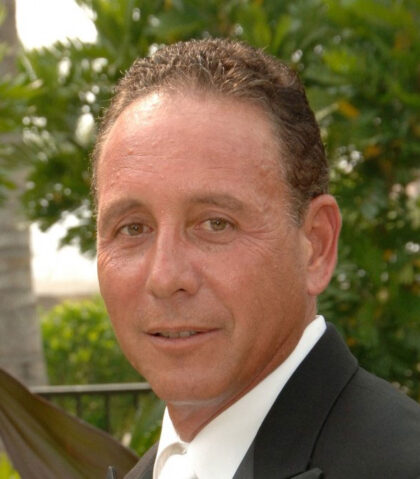
The P-Shot and O-Shot are appropriate for most adults experiencing sexual dysfunction. Dr. Stratt evaluates each patient individually, but generally good candidates include:
- Men with erectile dysfunction — especially vascular ED or incomplete response to medications
- Men with Peyronie’s disease seeking non-surgical treatment
- Women experiencing decreased arousal, orgasm, or lubrication
- Women with dyspareunia related to tissue changes (menopause, postpartum)
- Patients who prefer a natural, non-pharmaceutical approach
- Patients who want to enhance the effectiveness of current treatments
Because PRP is derived from your own blood, there is no risk of allergic reaction or rejection. The procedure is not recommended for patients with active infections in the treatment area, blood disorders affecting platelet function, or those on anticoagulant therapy without physician clearance.
Why Physician-Led PRP Matters
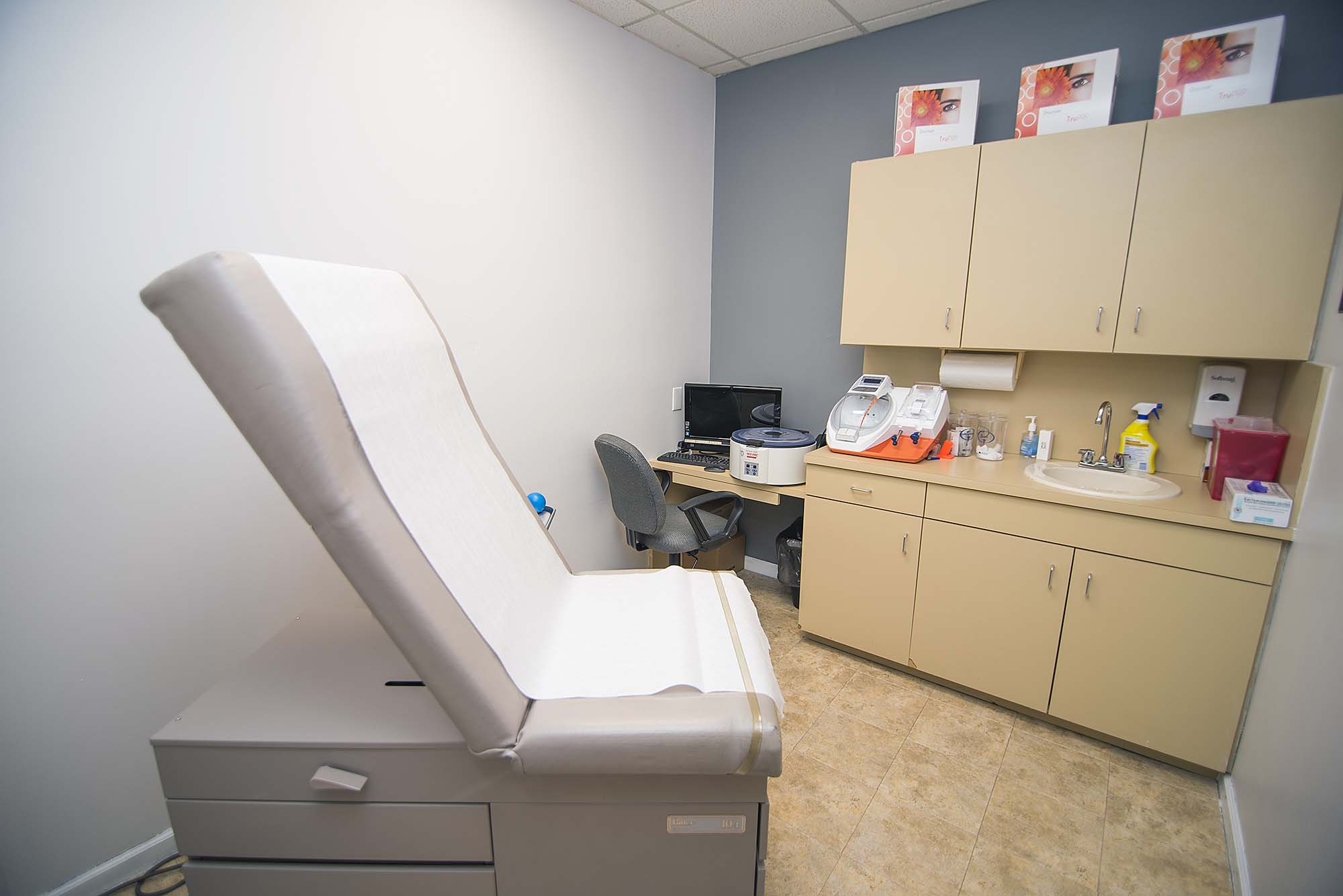
PRP quality depends heavily on preparation technique, platelet concentration, and injection precision. At LifeBoost MD, Dr. Stratt performs all PRP sexual health procedures personally, using advanced centrifuge systems that consistently produce high-concentration PRP. The difference between a well-executed PRP treatment and a poorly prepared one can be the difference between meaningful results and no results at all.
Take the Next Step
Sexual health is not something you should accept declining with age. The P-Shot and O-Shot offer a safe, natural, evidence-based approach to restoring function and satisfaction — using your body’s own biology.
Schedule a free, confidential consultation at LifeBoost MD in Boca Raton. Call (561) 922-9967 to discuss whether PRP sexual health treatment is right for you.
Frequently Asked Questions
Both procedures use topical numbing cream and local anesthetic to minimize discomfort. Most patients describe the injection itself as mild pressure rather than sharp pain. The blood draw for PRP processing feels like a standard lab draw. Overall, the vast majority of patients rate the discomfort as minimal — significantly less than they anticipated.
Some patients notice improved sensitivity within 1 to 2 weeks as increased blood flow takes effect. However, the full regenerative benefits — tissue remodeling, collagen production, and nerve repair — develop over 2 to 3 months. Many patients see peak results at the 3-month mark, with continued improvement through 6 months.
Results typically last 12 to 18 months, though individual experiences vary. Some patients maintain benefits longer, while others opt for a maintenance treatment annually. Because PRP stimulates your body's own regenerative processes, the improvements are not artificially sustained — they reflect genuine tissue rejuvenation.
The P-Shot works through a completely different mechanism than PDE5 inhibitors like Viagra and Cialis. Rather than temporarily increasing blood flow for a single encounter, PRP promotes structural tissue repair and improved vascular function over time. Some patients find they need lower doses of oral medications or can reduce their use, but the P-Shot is best viewed as a complementary treatment rather than a direct replacement.